Glimpses of Form

Glimpses of Form

Glimpses of Form
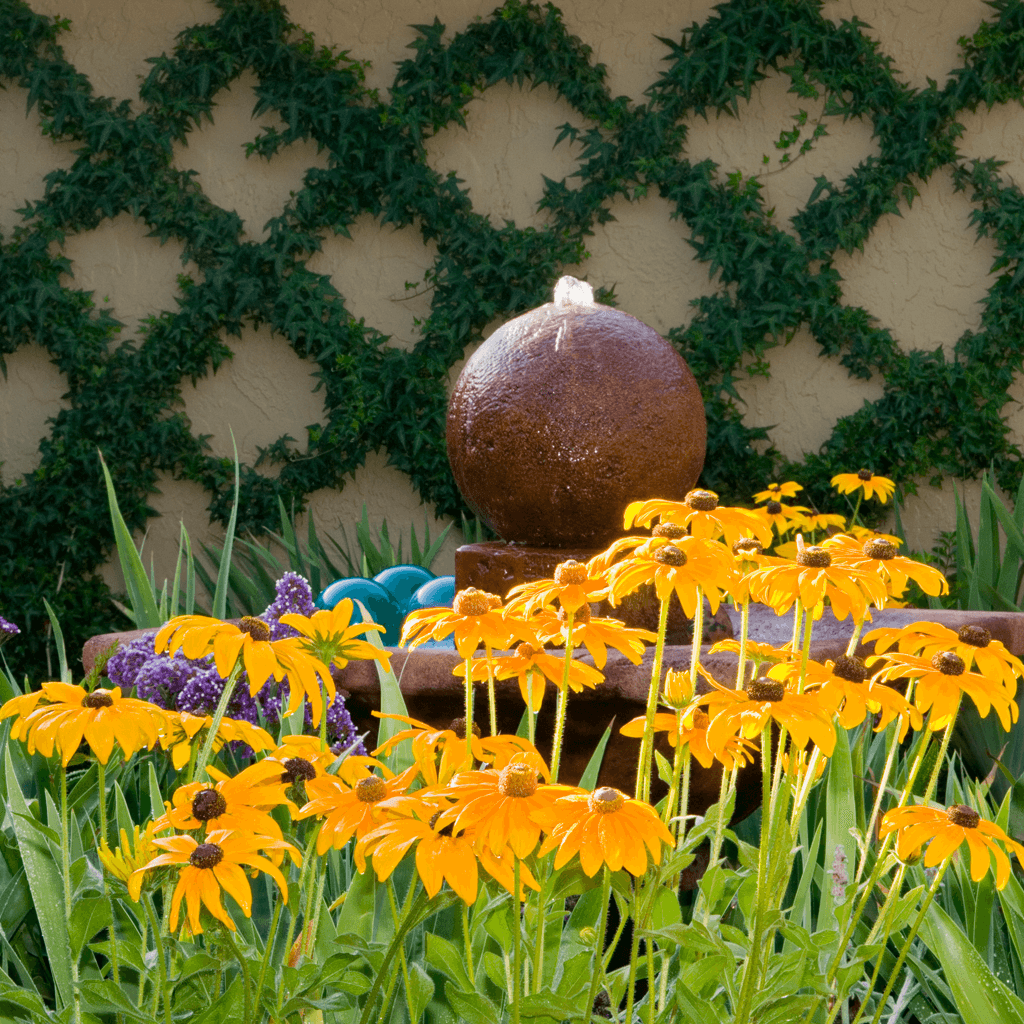
Form in Garden Design | Plant Groupings | Nestled Objects

Form is the three-dimensional shape and structure that gives a landscape its character and presence. From the sweeping curve of a retaining wall to the rounded silhouette of a carefully pruned shrub, from the geometric precision of a modern planting bed to the organic contours of a naturalistic garden, form defines how we perceive and move through outdoor space.

Elemental approaches form with an architect’s eye for structure and a sculptor’s appreciation for shape. We consider how forms relate to one another. The interplay of vertical and horizontal elements, the contrast between angular and curved shapes, the balance of mass and void. Each form is intentionally crafted to create visual interest, guide movement, and establish the overall aesthetic of the landscape.

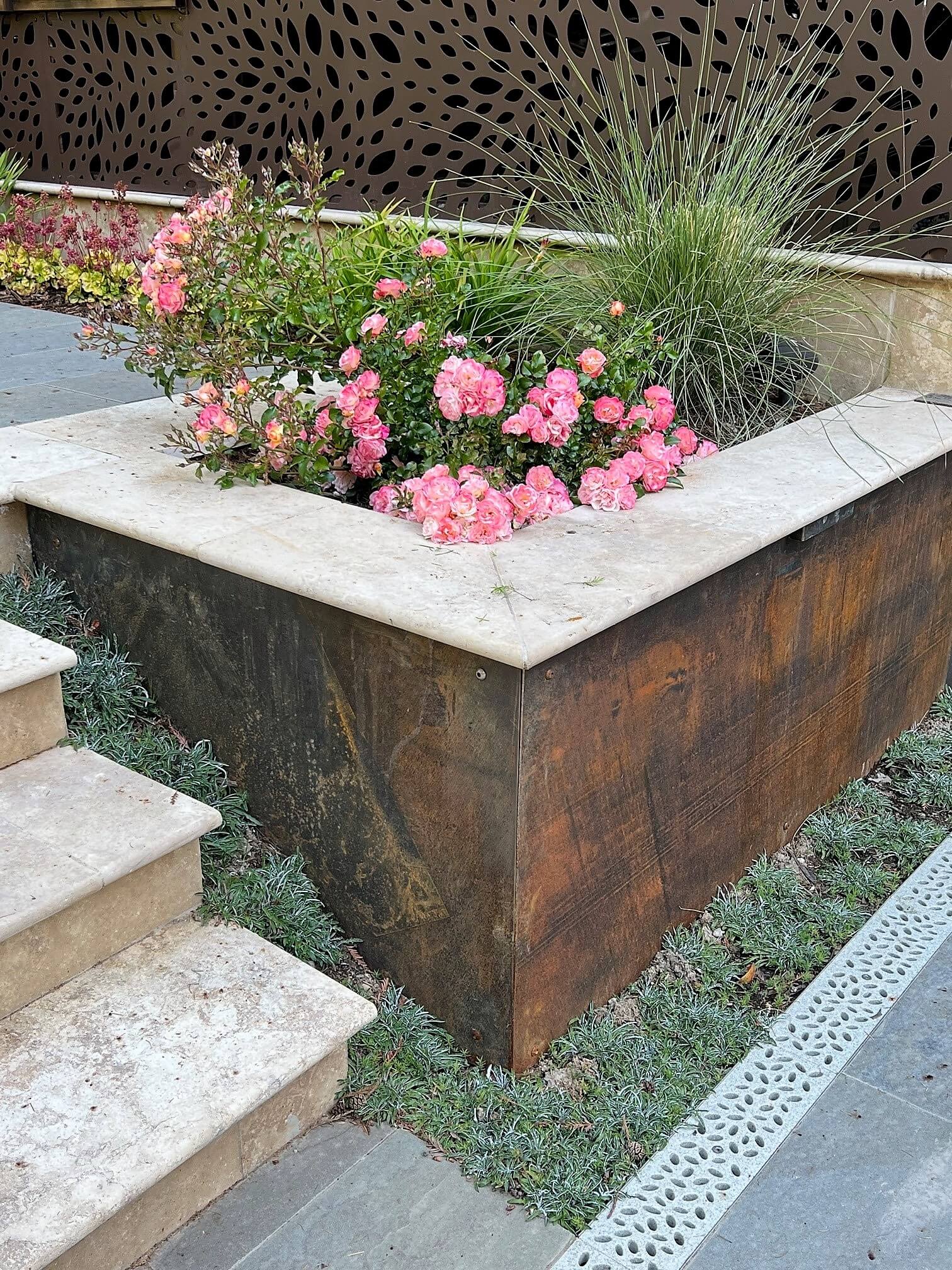
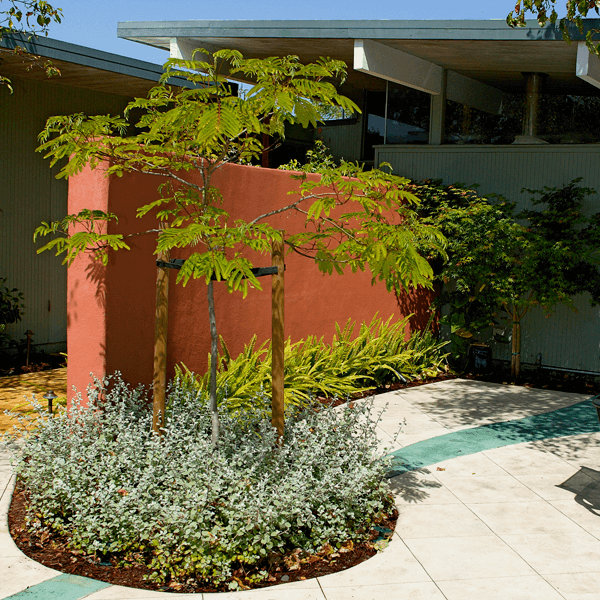
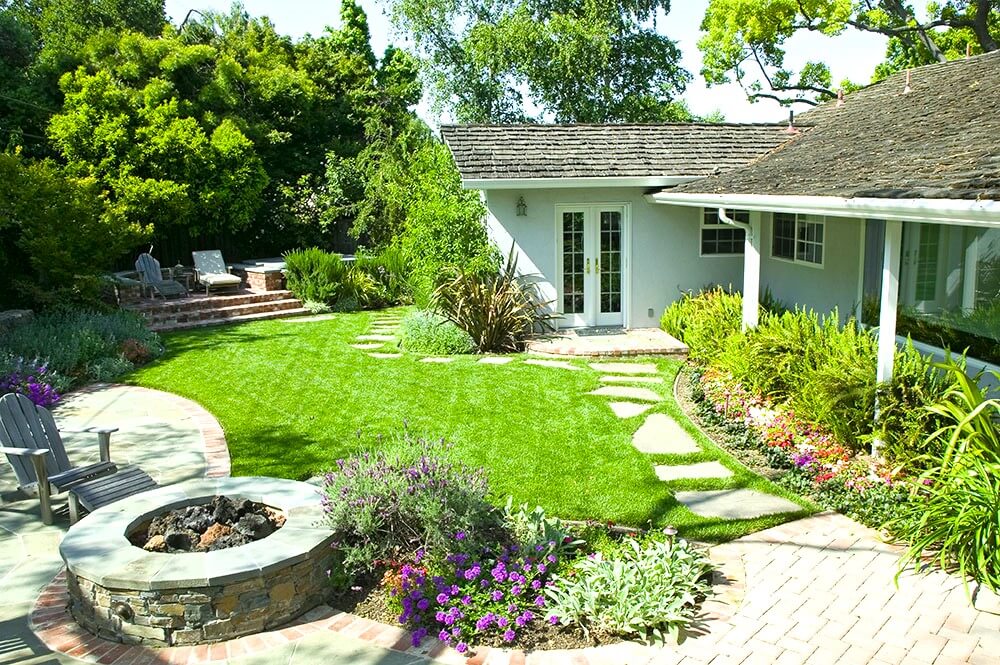
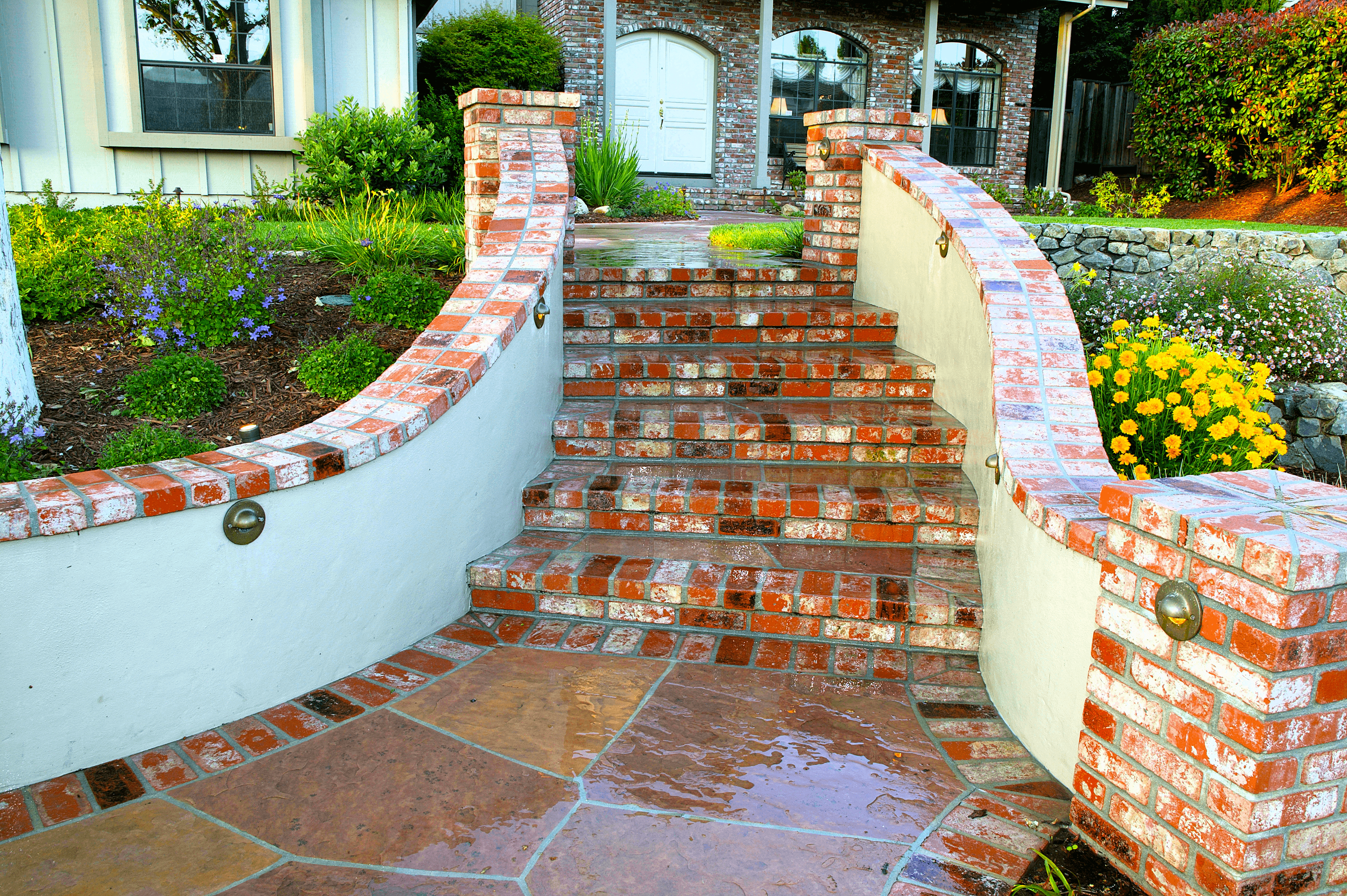
Form exists in every element of the garden. Walls can be straight and formal or gently curved to soften the landscape. Planting beds may follow geometric patterns or flow in organic shapes that echo natural landforms. Trees and shrubs are selected not only for their foliage and flowers but for their inherent form – columnar, weeping, rounded, or spreading. Even decorative objects contribute to the composition, their shapes carefully chosen to complement or contrast with surrounding forms.

Architectural Form

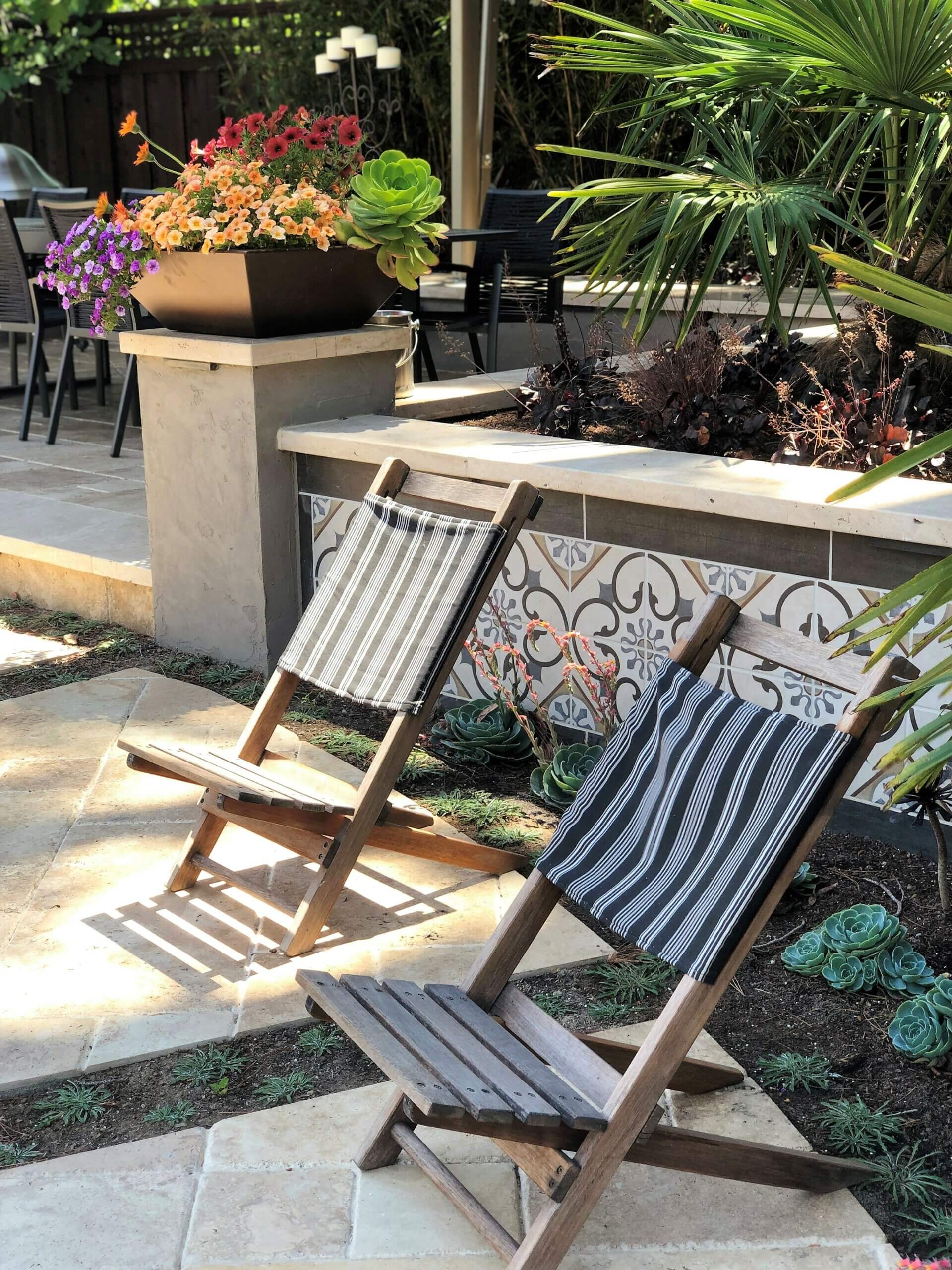
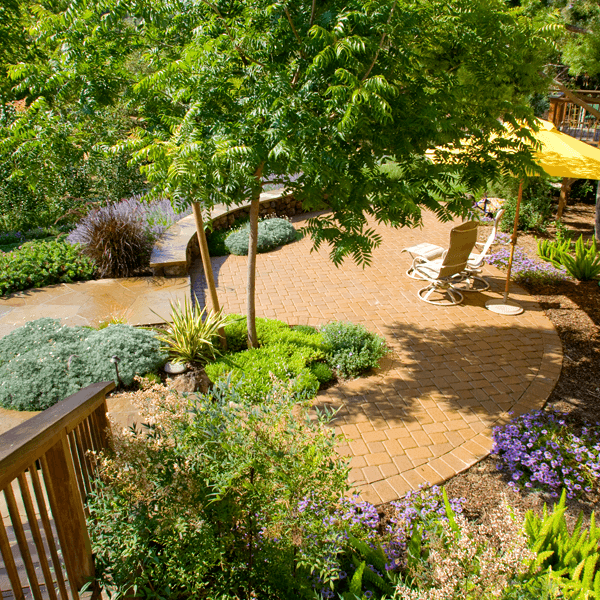
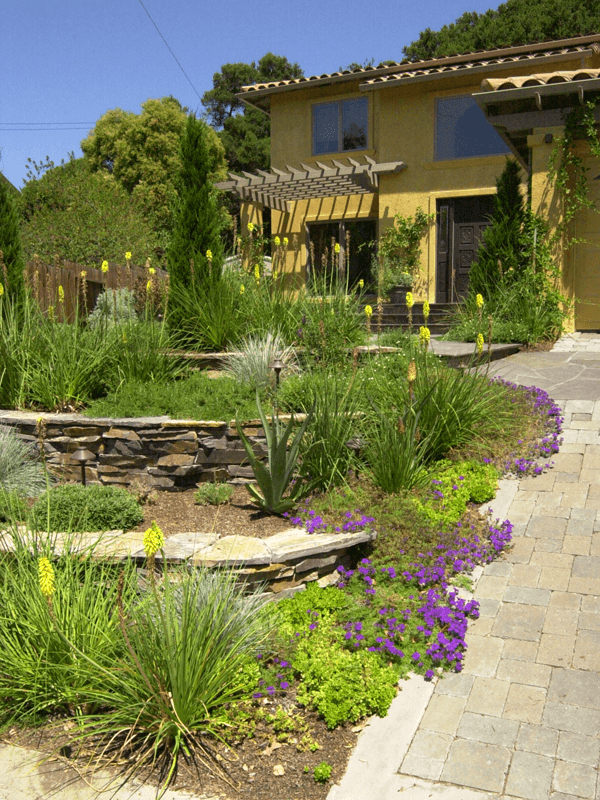
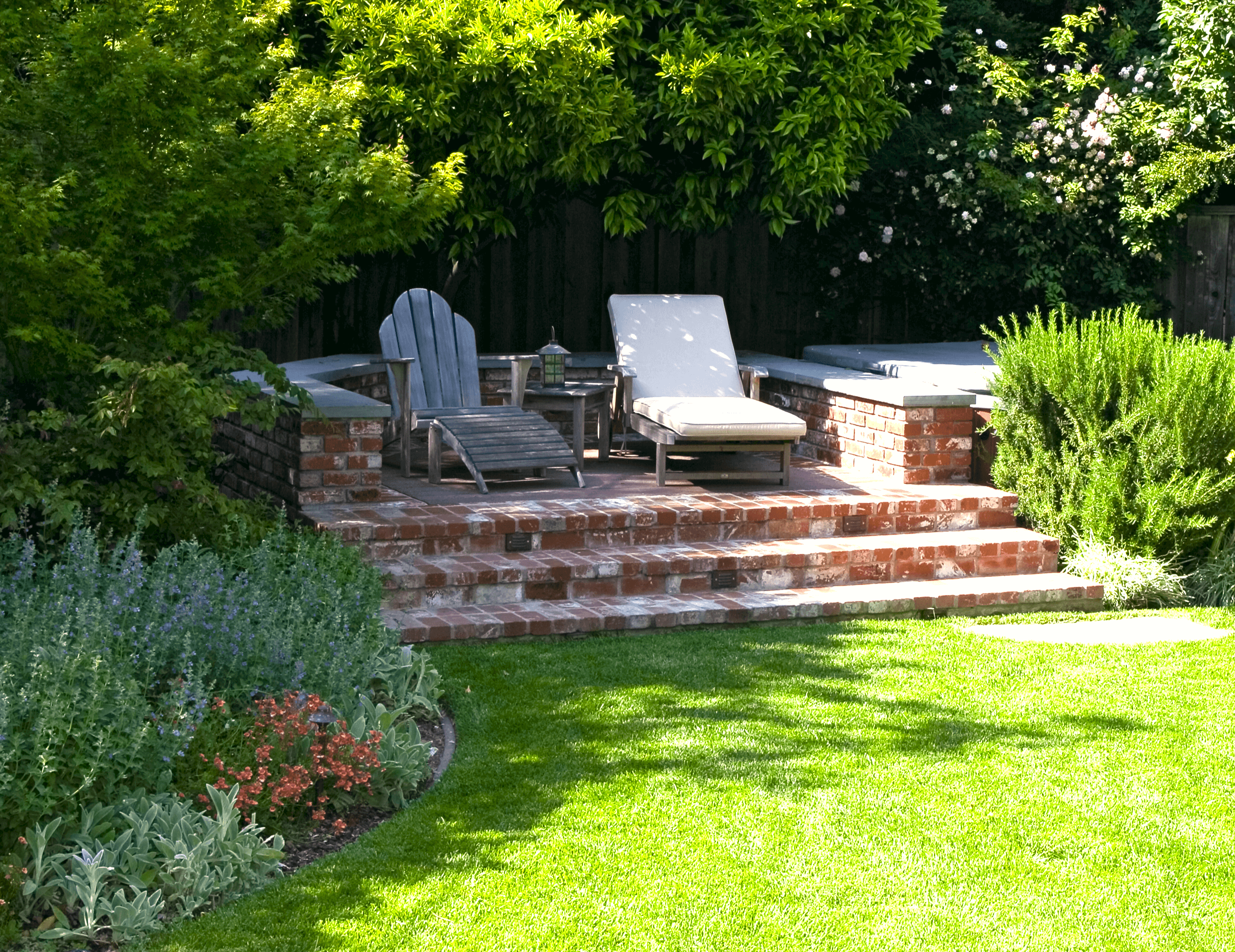
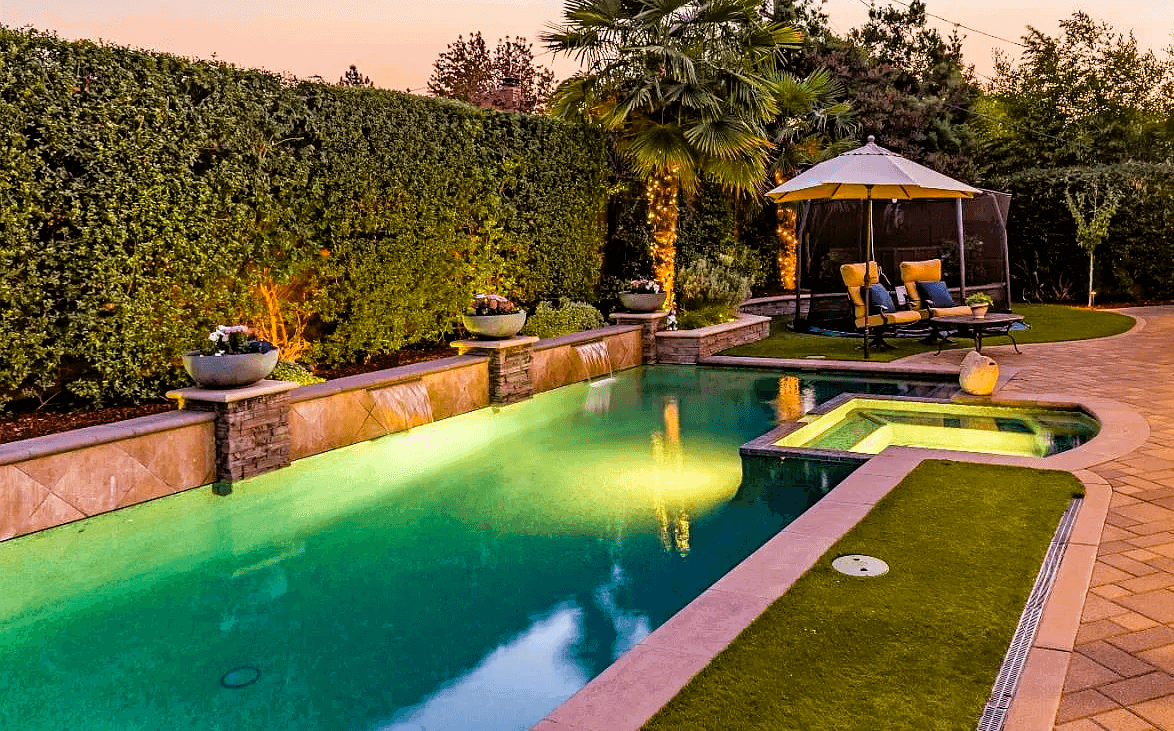
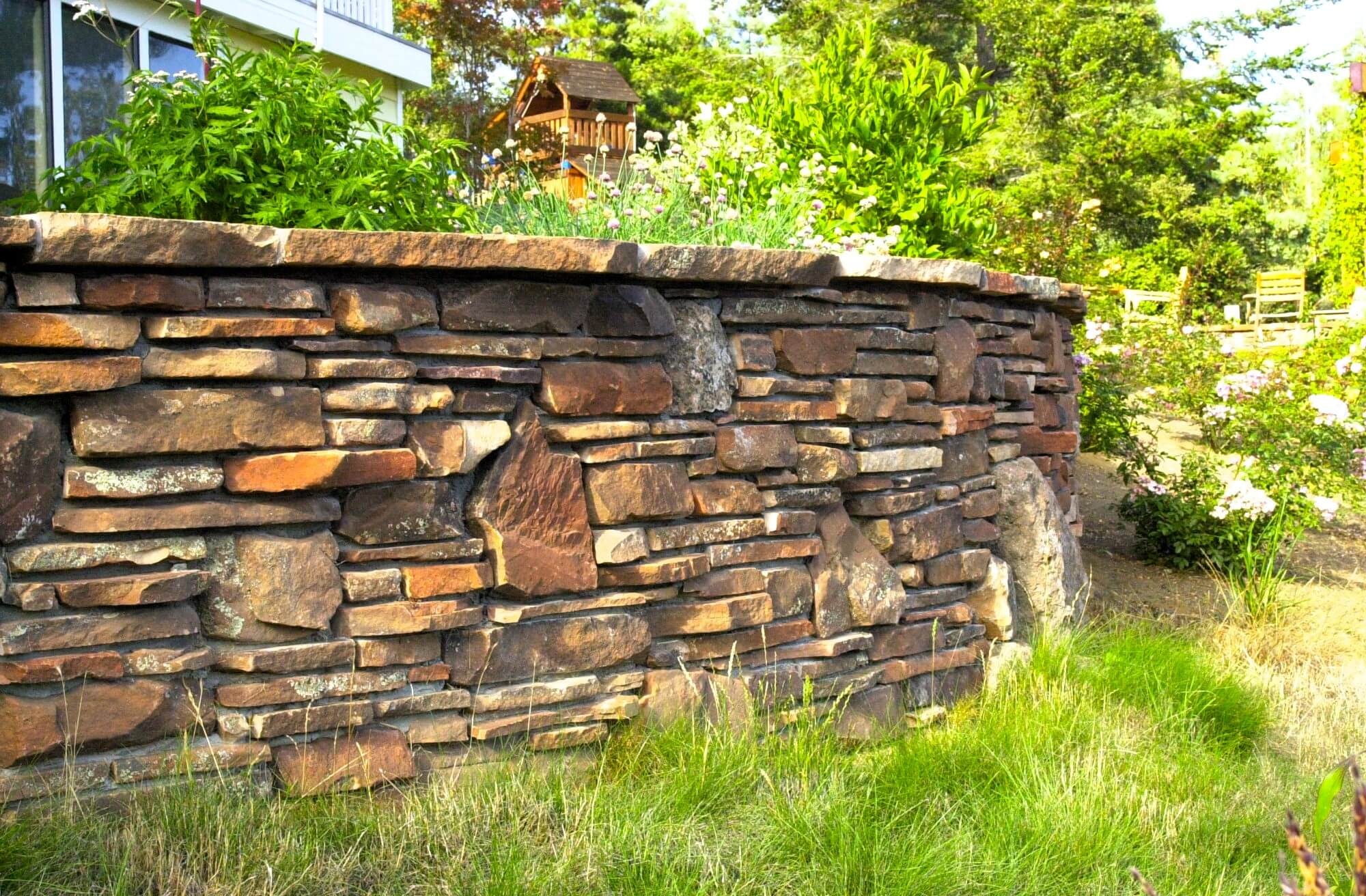
Hardscape elements provide the structural bones of the landscape. Curved stone walls create graceful enclosures and guide the eye through the garden. Geometric patios and angular planters bring modern precision to contemporary designs. Pergolas and arbors add vertical form and define outdoor rooms. Each architectural element is shaped to serve both function and aesthetic purpose.

Plant Form and Groupings

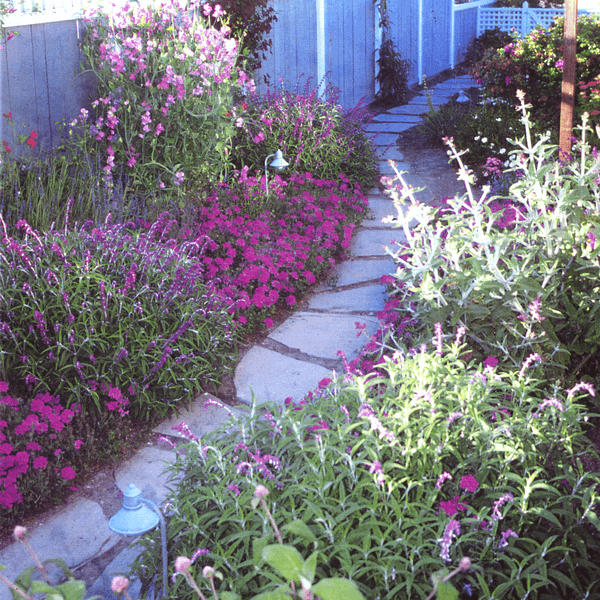
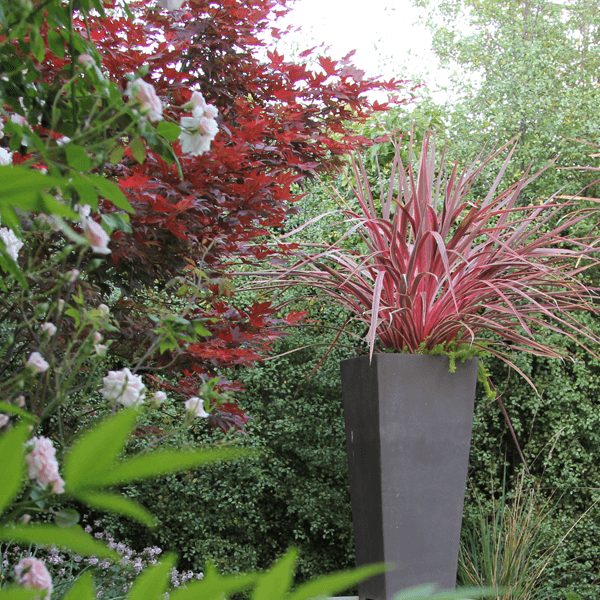
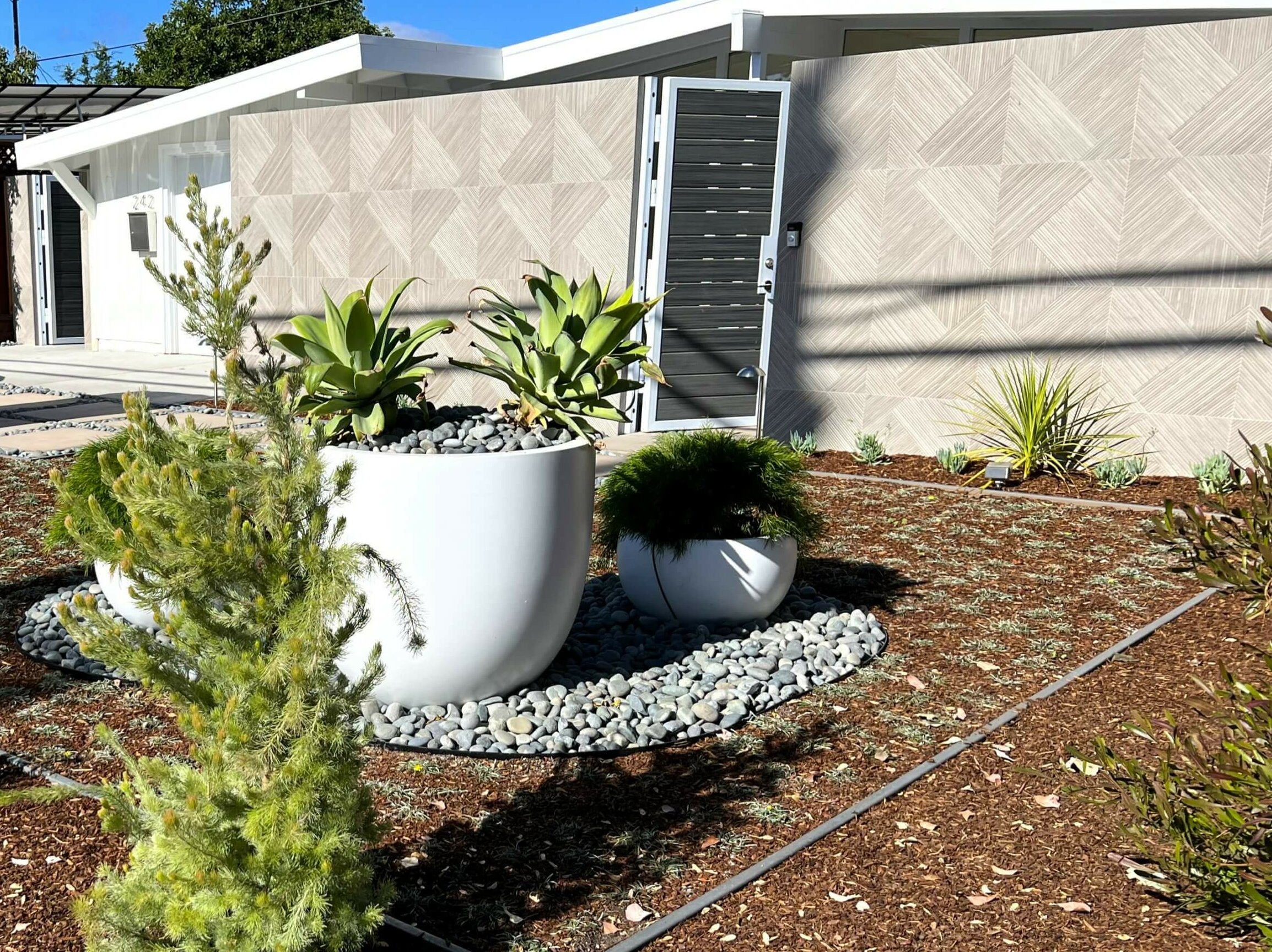
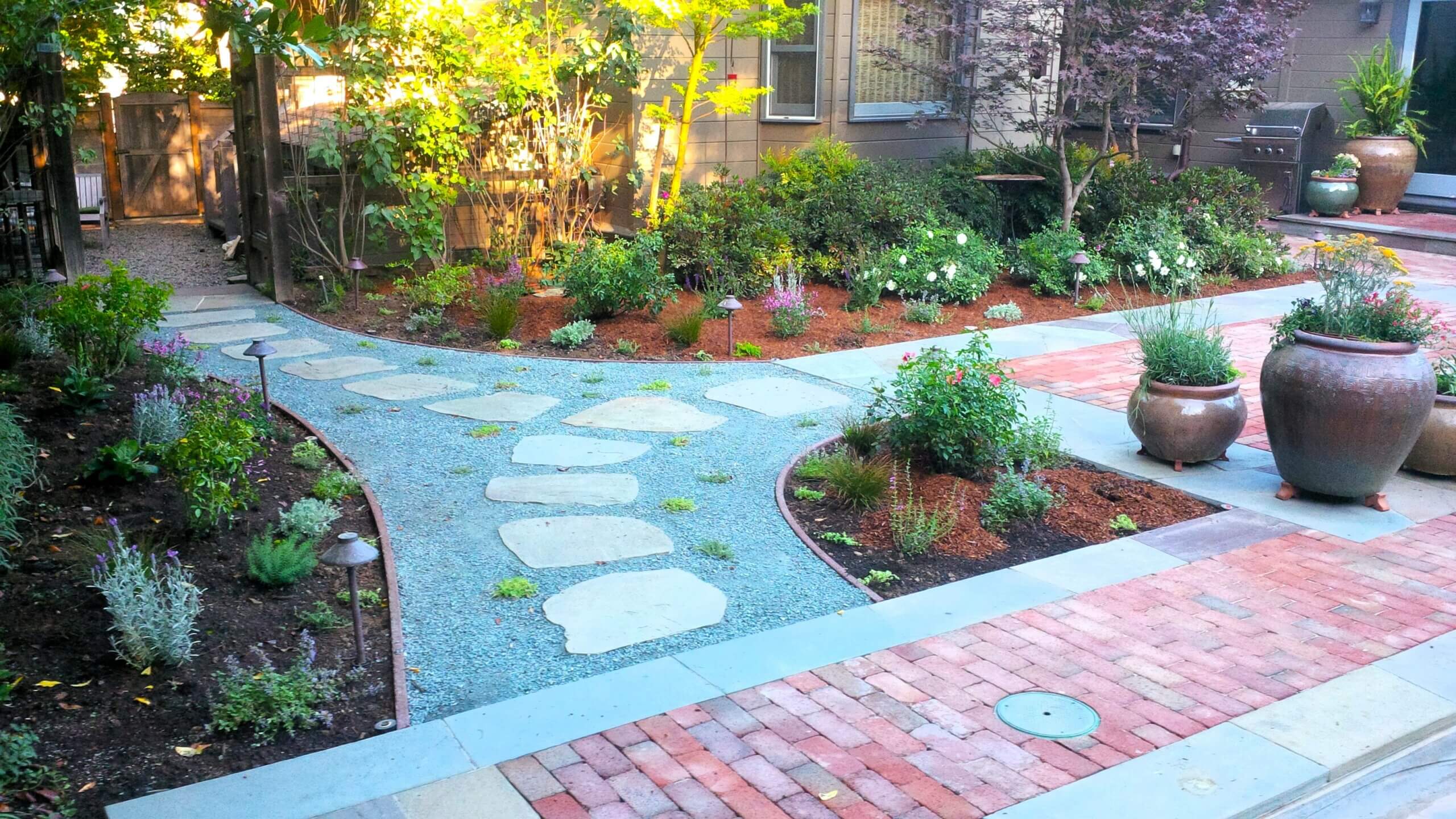
Plants offer an incredible diversity of forms from the spiky drama of ornamental grasses to the soft mounds of flowering perennials, from the sculptural presence of specimen trees to the flowing masses of groundcovers. Elemental groups plants thoughtfully, creating compositions where contrasting forms enhance one another. A rounded shrub gains impact when placed beside vertical grasses; a weeping tree becomes more dramatic against the backdrop of upright conifers.

Organic vs. Geometric

The choice between organic, flowing forms and crisp, geometric shapes establishes the fundamental character of a landscape. Traditional gardens often embrace formal geometry with symmetrical beds and straight pathways. Contemporary designs may favor clean lines and angular forms. Naturalistic landscapes celebrate organic curves and irregular shapes. Elemental skillfully blends these approaches, creating landscapes that feel both structured and natural.

Nestled Objects and Focal Points

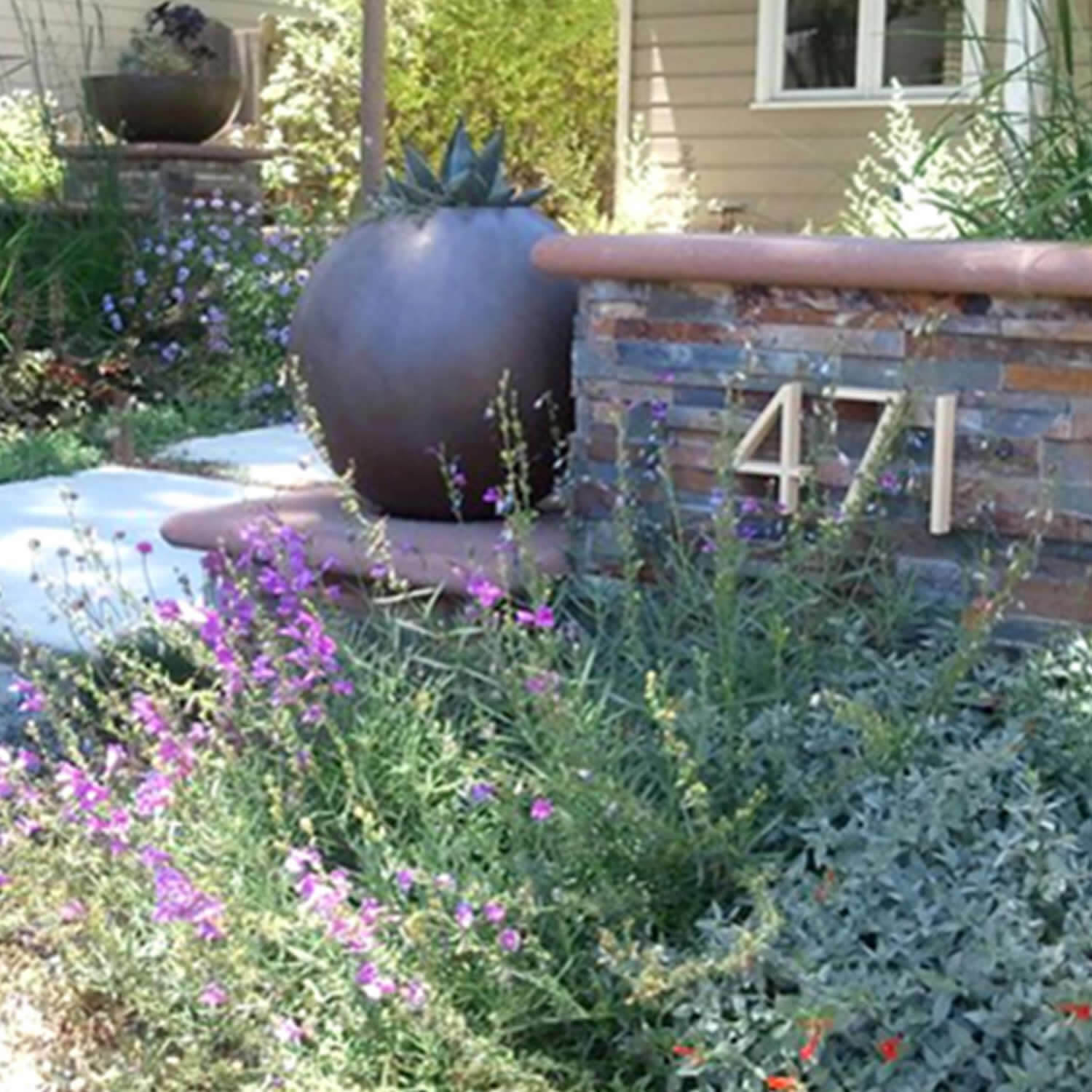
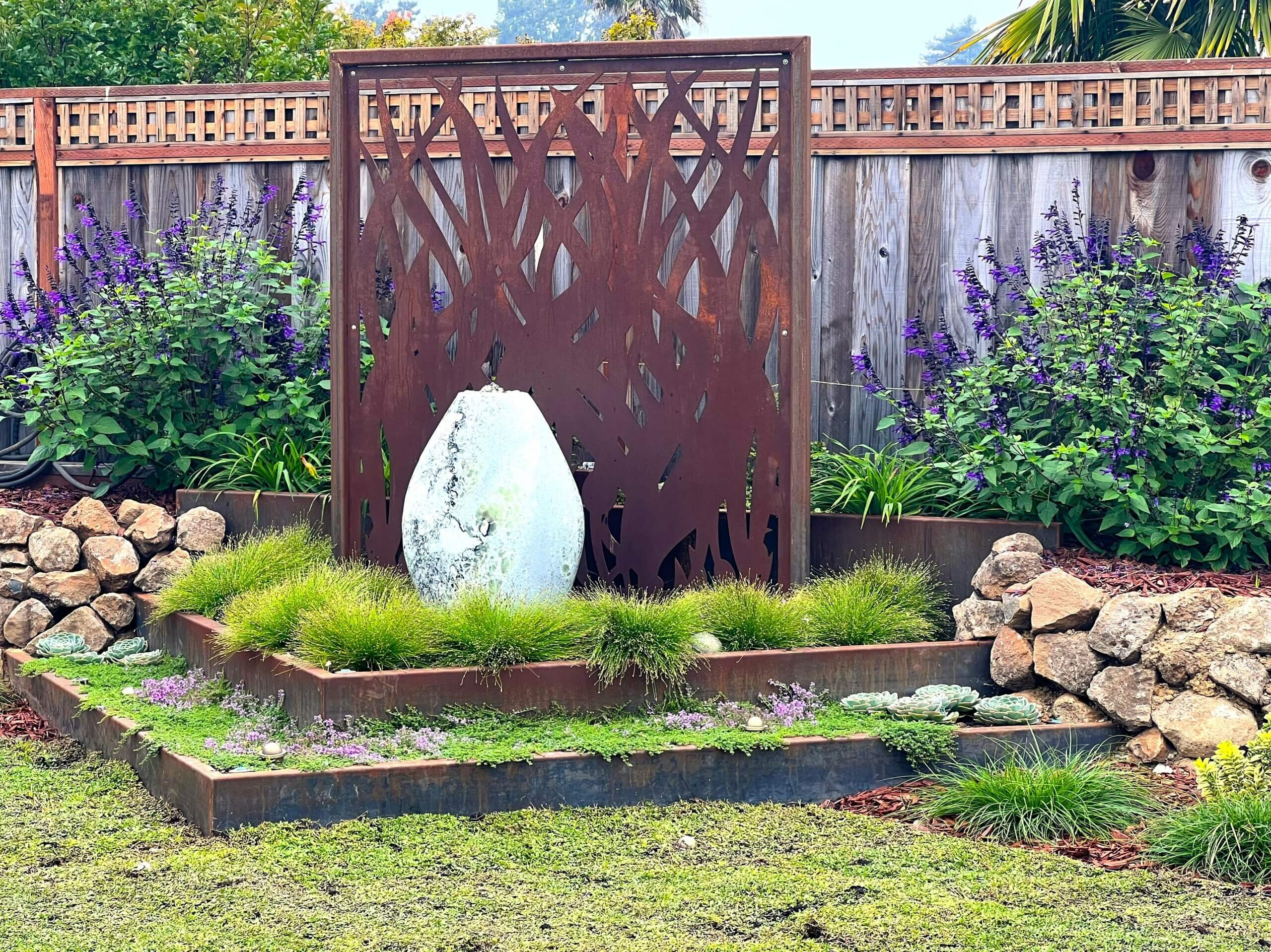
Decorative objects – a sculptural urn, a water feature, a carefully placed boulder, contribute their own forms to the landscape composition. These elements are “nestled” within the design, positioned to create focal points, punctuate transitions, or provide visual anchors. Their forms are chosen to harmonize with or intentionally contrast against the surrounding landscape, adding layers of interest and discovery.