Elements – Water
Elements – Water
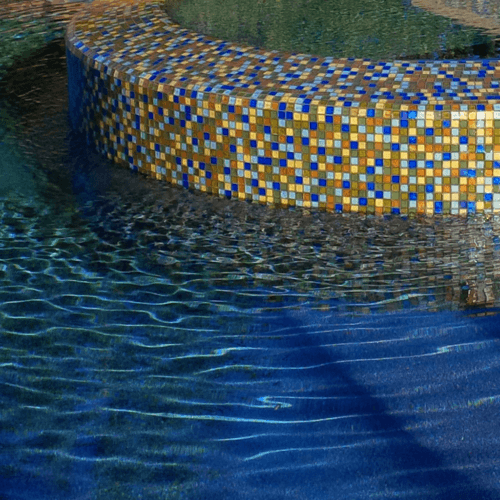
Oh, the fun we have with water. As an element of design, water brings its own special energy and motion to a landscaped space and no two projects are ever quite the same.
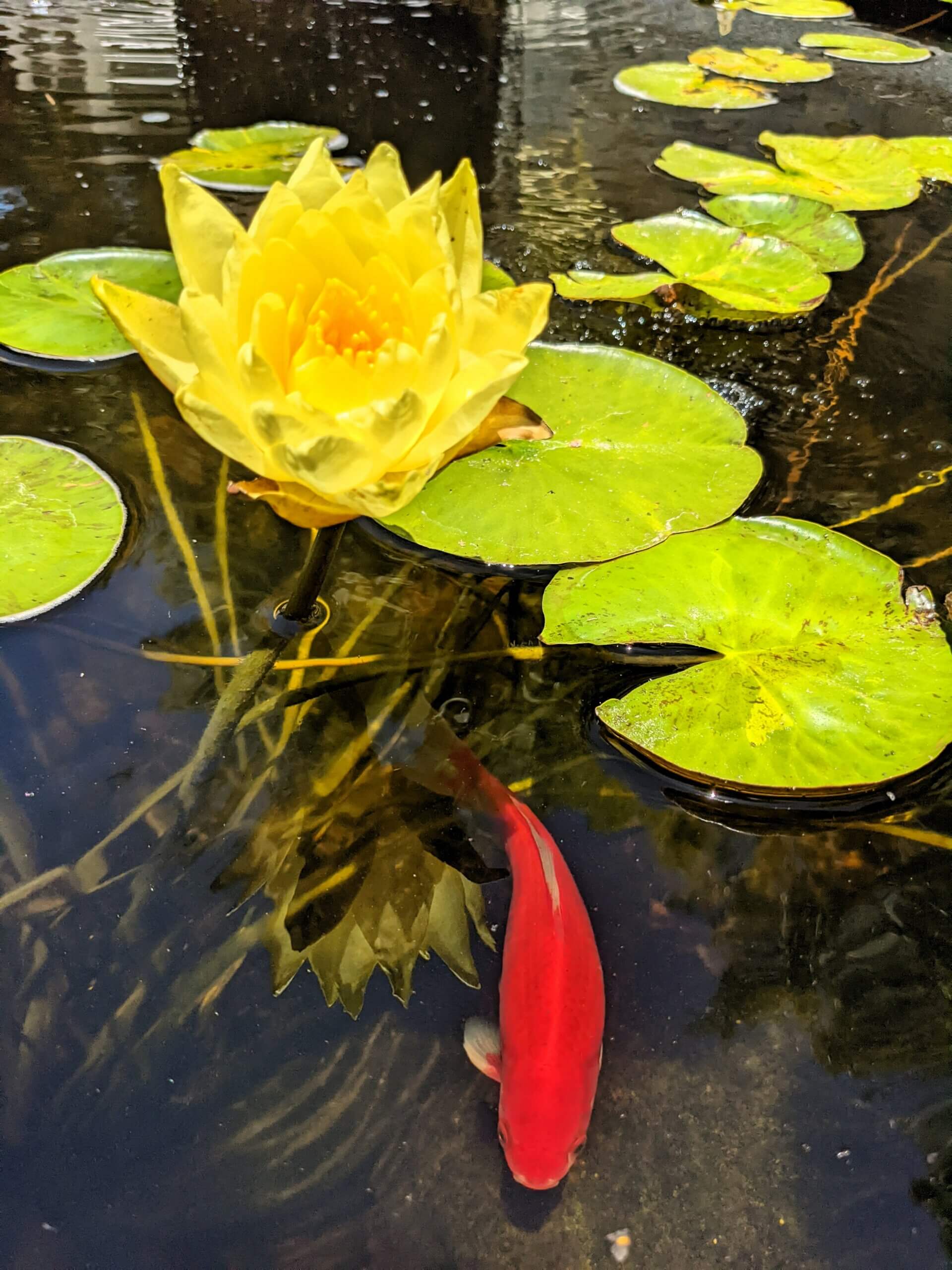
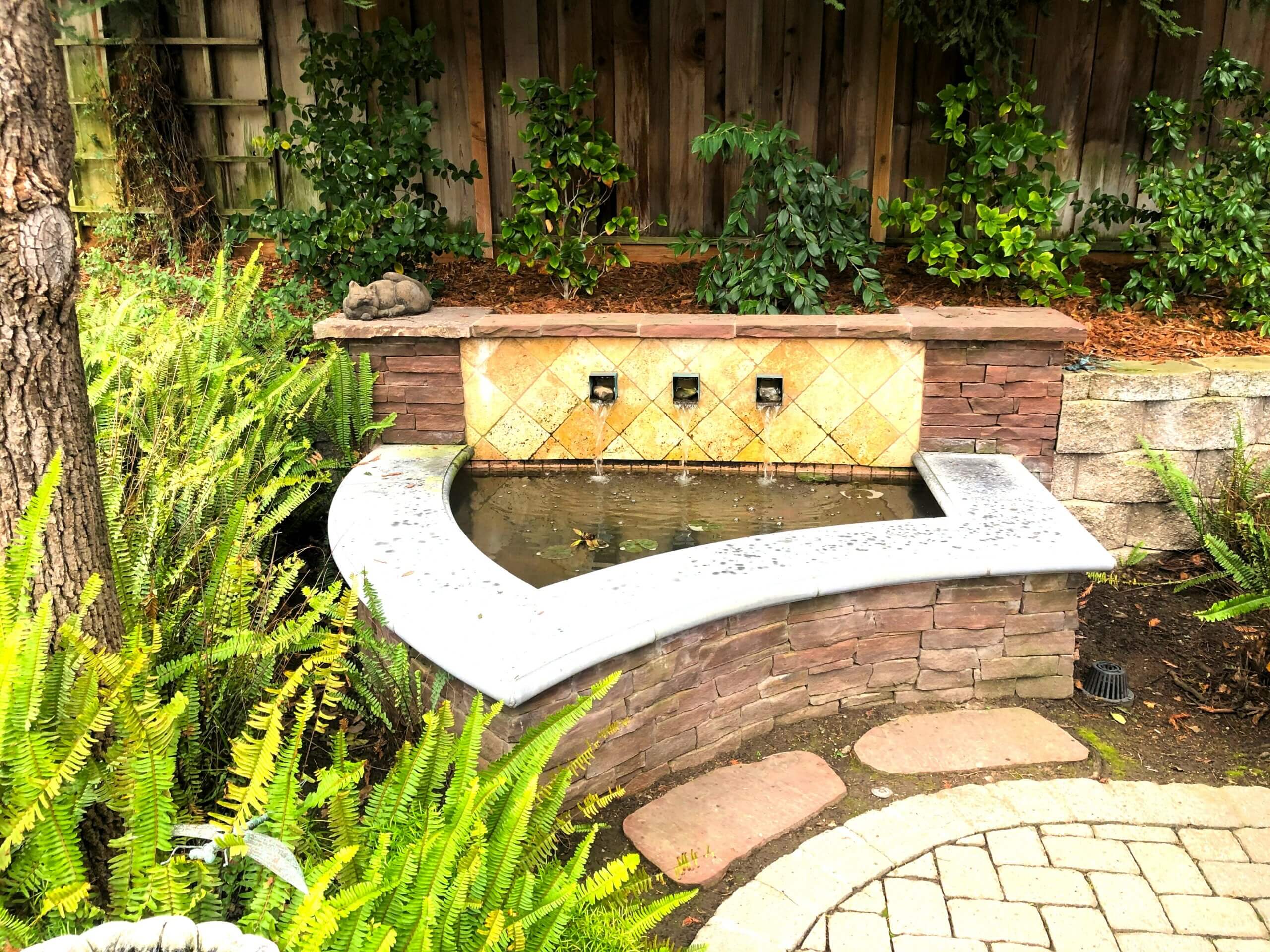
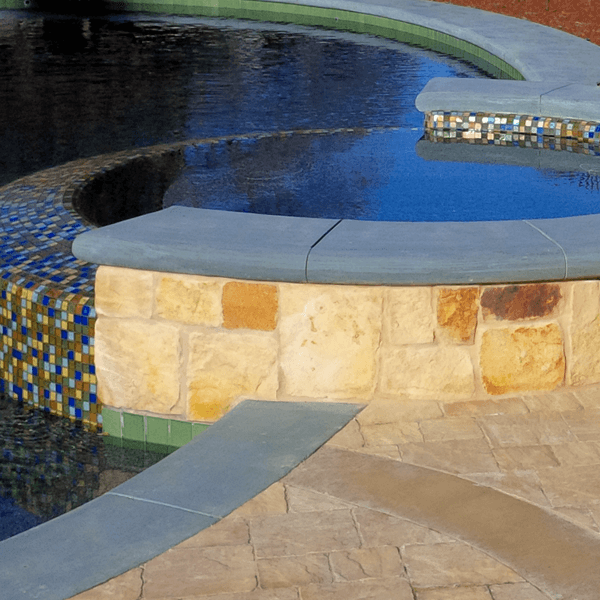
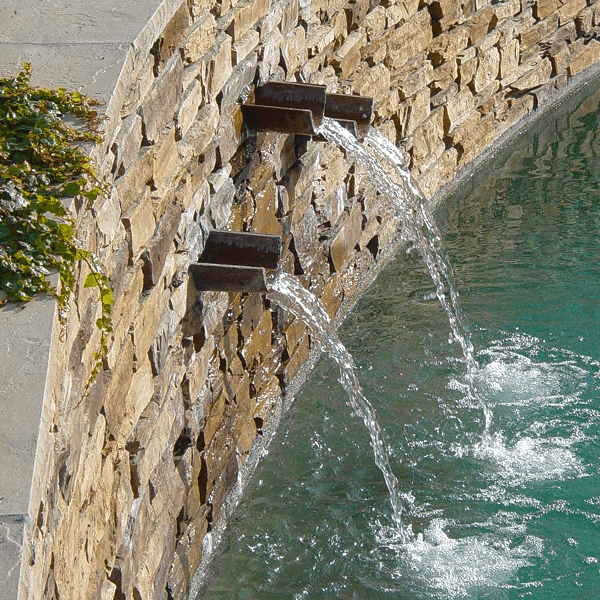
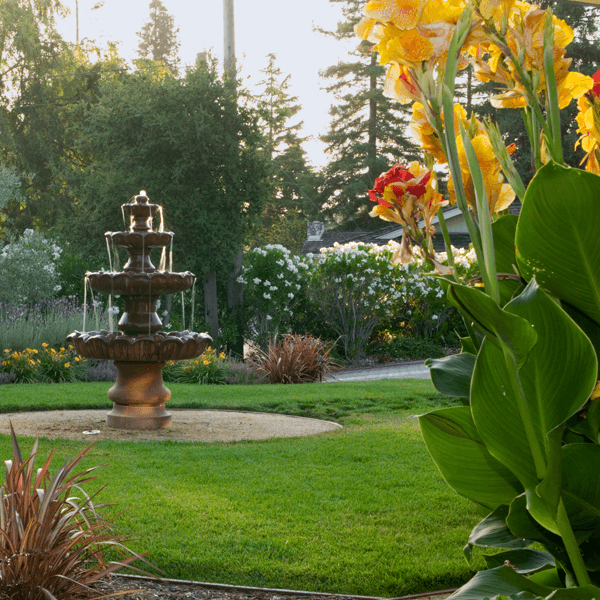
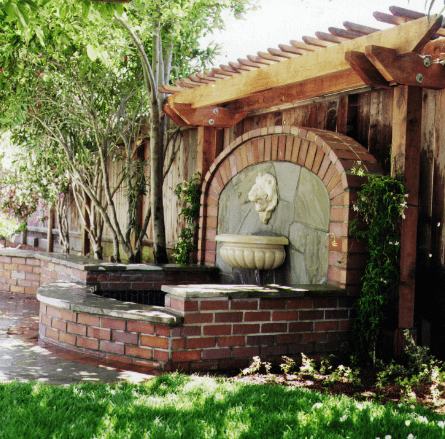
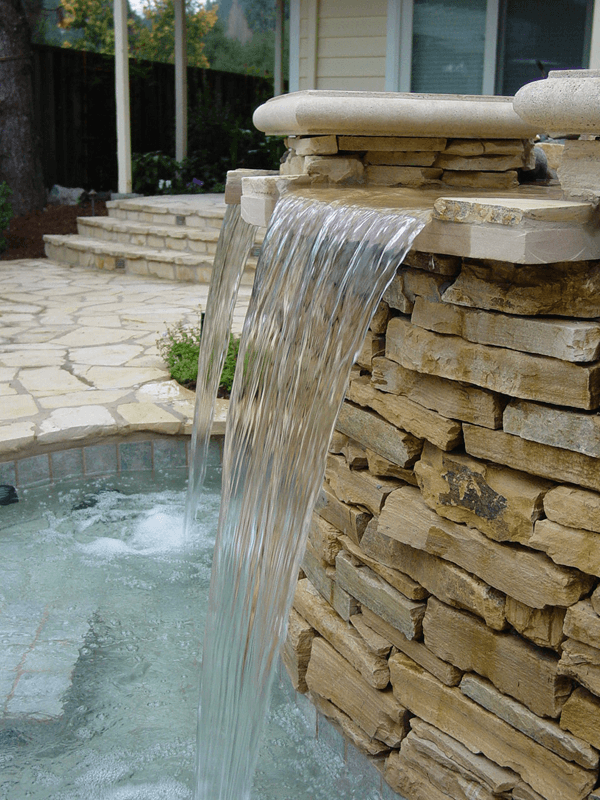
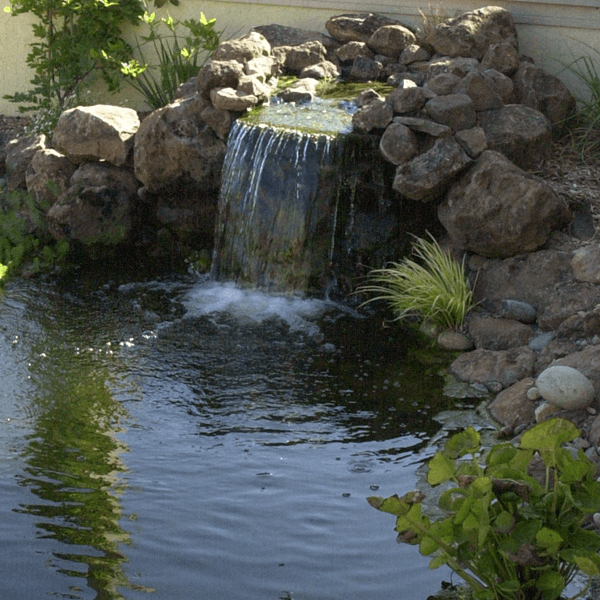
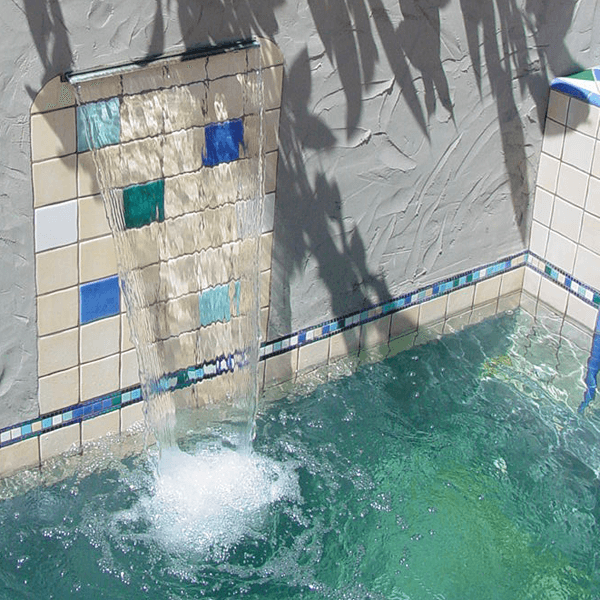
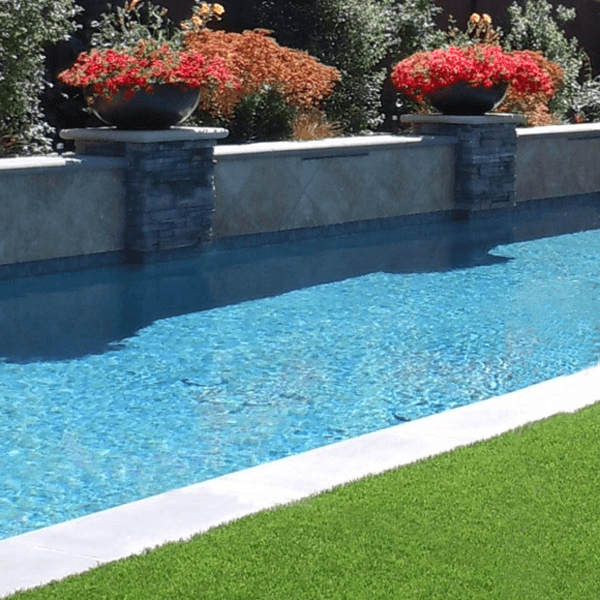
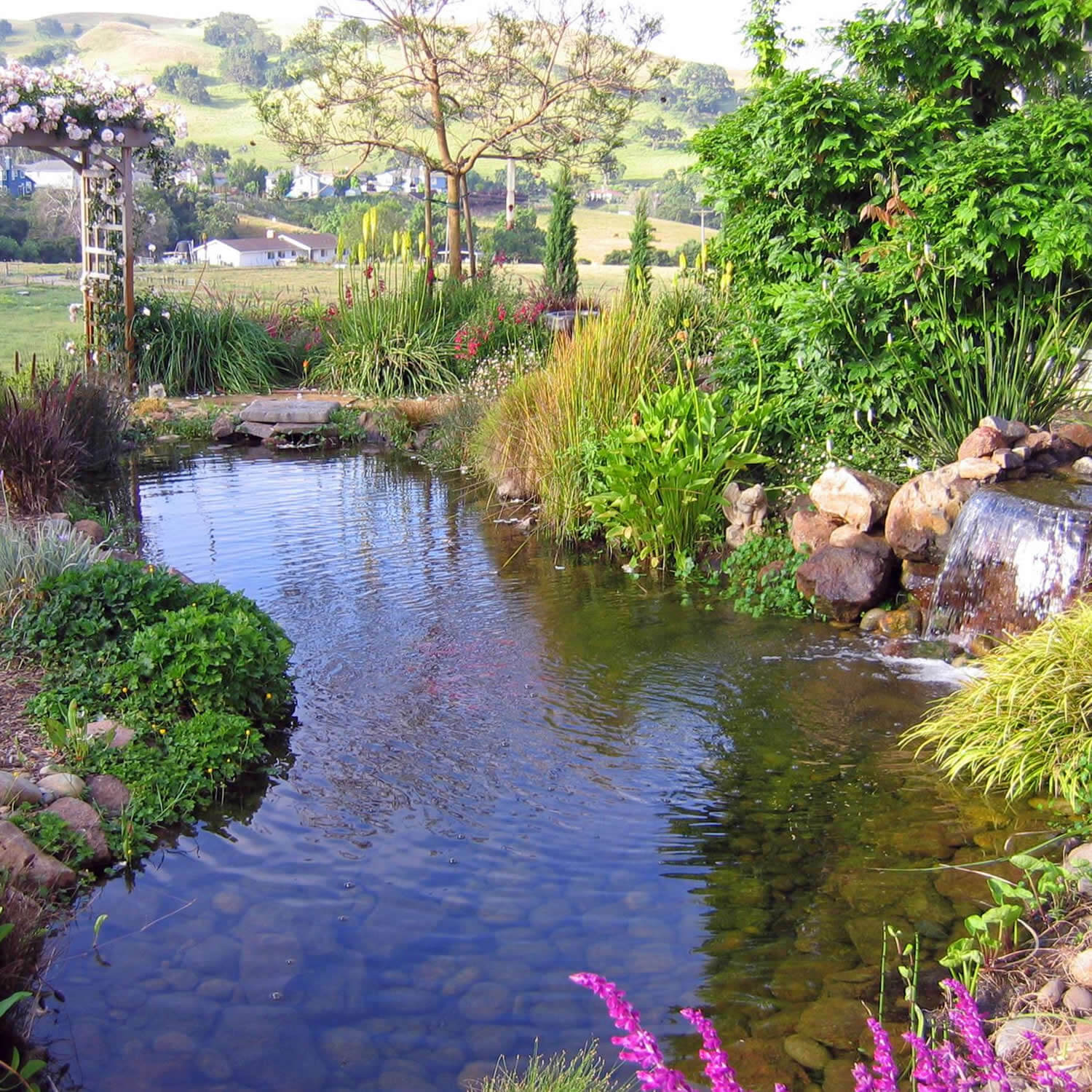
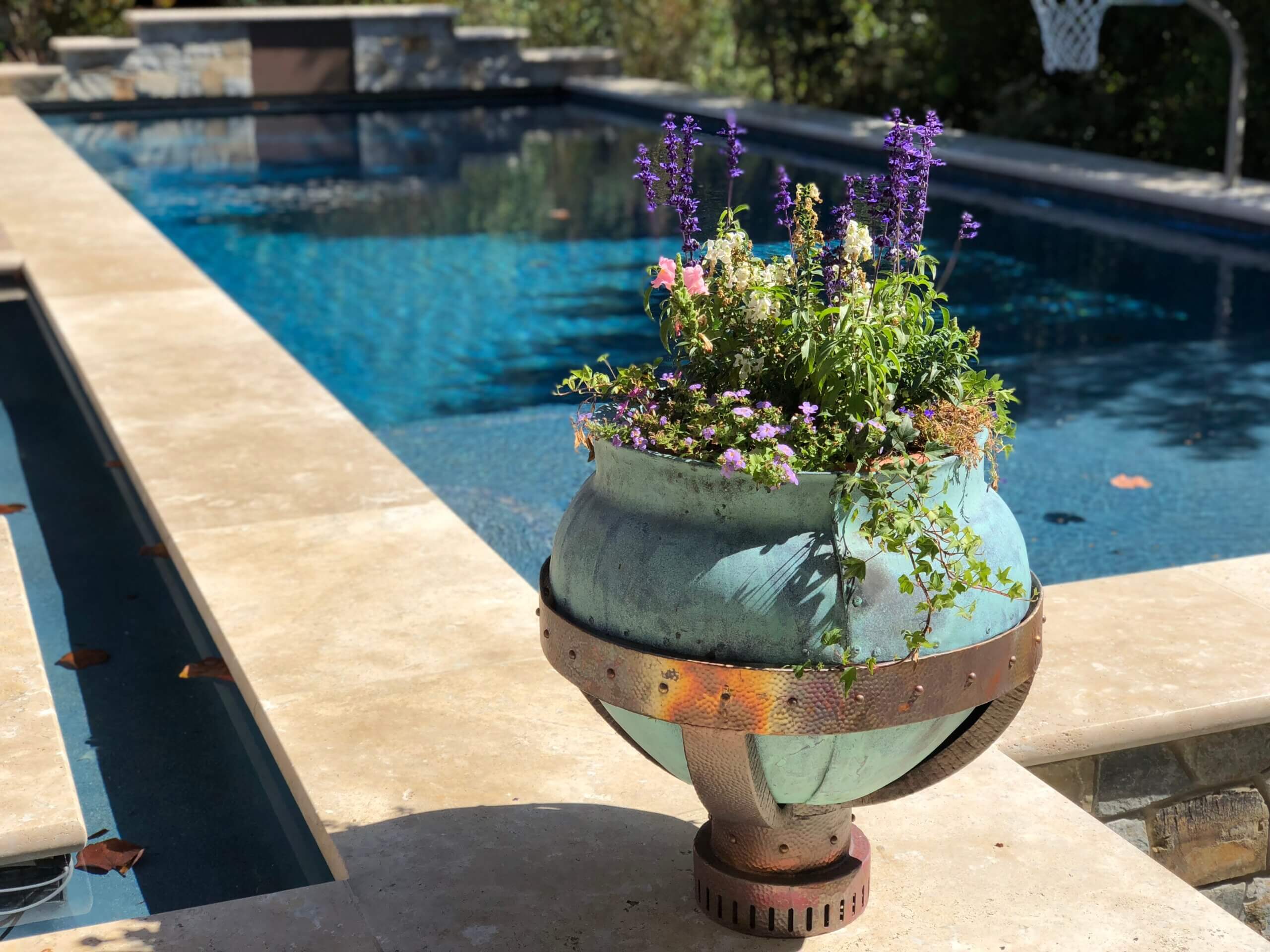
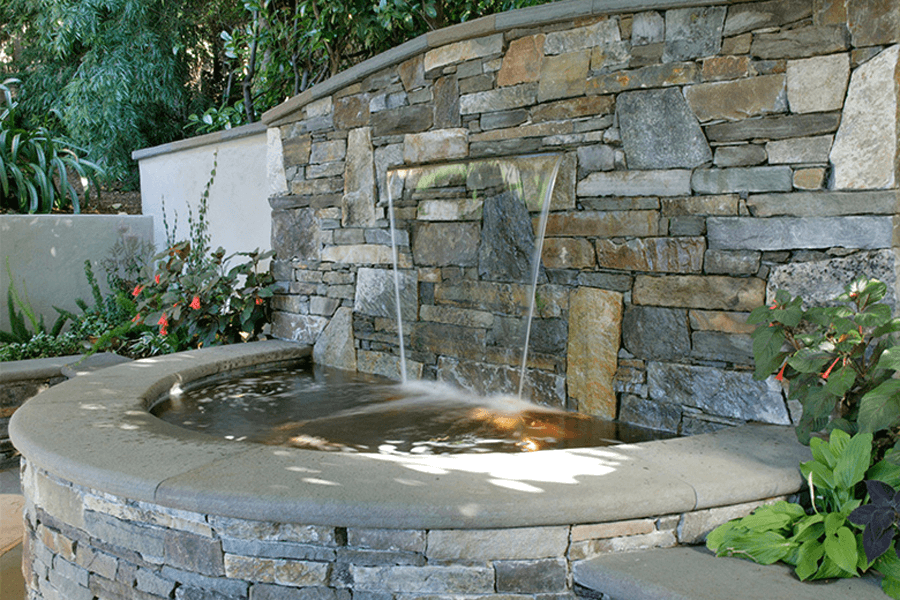
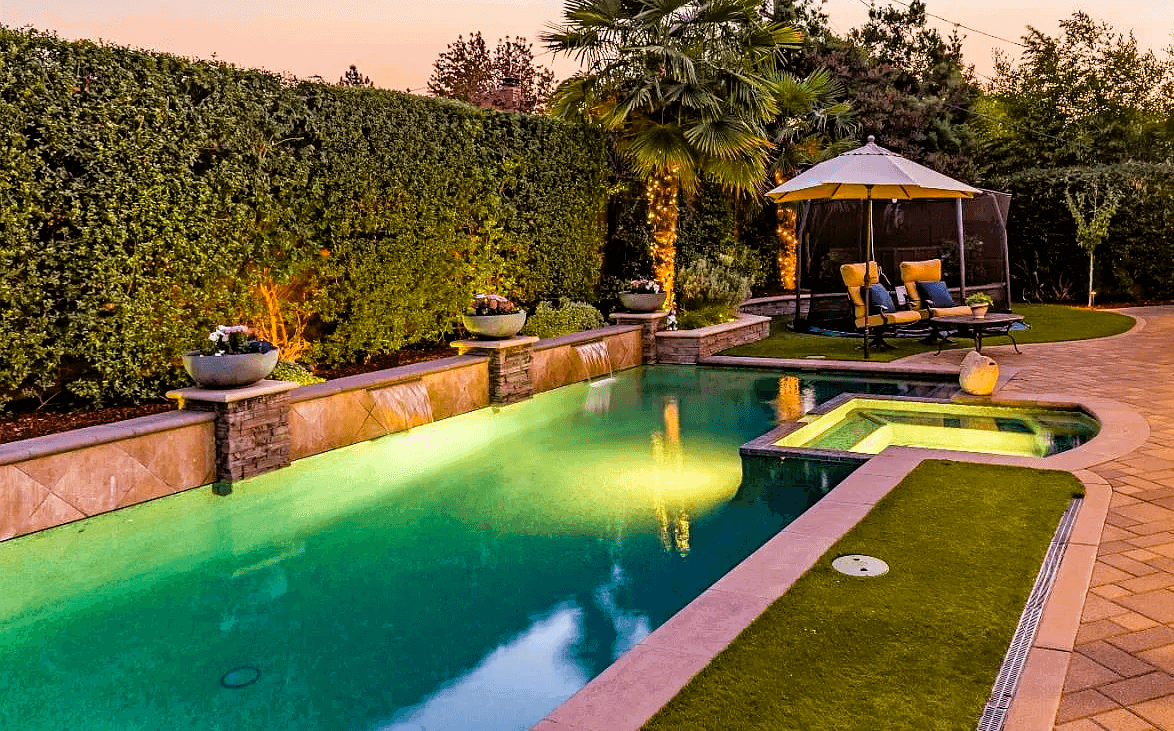
We approach each design by asking how water will be experienced: the sound of a sheet waterfall from a pool edge, the stillness of a lily pond at dusk, the rhythm of a rill cutting through native stone. Our custom swimming pools and spas, garden fountains, and outdoor lily ponds only hint at the water-works we’ve created for our clients.
Because water is a precious resource in California, we utilize systems designed for efficiency and environmental stewardship so that even the most dramatic water features are built with conservation in mind. That balance of beauty and responsibility is what makes water one of the most frequently chosen centerpieces of the magical and transformative landscapes we create.
Looking to add a custom water feature to your outdoor space? If you’re in Monterey, San Mateo, Santa Clara or Santa Cruz, call 831-338-1709 or contact Elemental Design today for a free design consultation with the award-winning Rhadiante Van de Voorde, our expert licensed landscape architect.
Water Features FAQs
What types of water features work best in a California landscape?
California's Mediterranean climate lends itself beautifully to water features that balance drama with restraint. Cascading boulder waterfalls, negative-edge pools, and pondless fountains all perform well providing movement and sound without the maintenance demands of open ponds. In hillside settings common to the Santa Cruz Mountains and Bay Area foothills, tiered water features that follow the natural grade are particularly effective both aesthetically and hydraulically.
How do you design a water feature that conserves water in California?
Recirculating systems are the foundation of every water feature we design. We also favor closed-loop designs like pondless waterfalls and fountains over open ponds, which lose significantly more water to evaporation. Shading the water source with strategic planting further reduces loss. The goal is to create the impression of abundance while using water responsibly.
Can a water feature be integrated into a drought-tolerant or native plant garden?
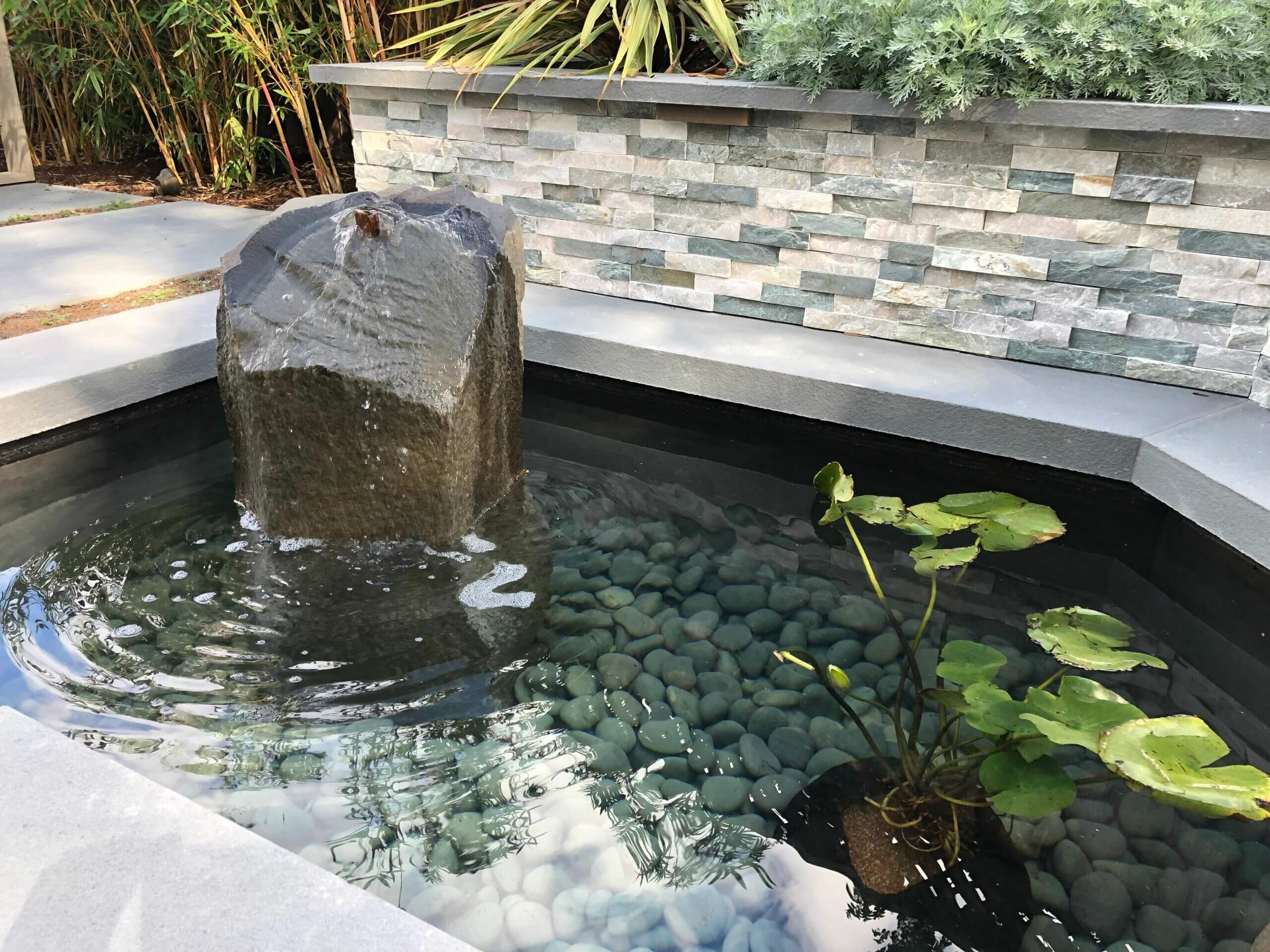
Absolutely and the contrast is often what makes the design compelling. A simple basalt column fountain or a stone-edged rill surrounded by California natives like sedge, rushes, or deer grass creates a naturalistic scene that feels ecologically intentional. The key is designing the water element as a focal point rather than a competing layer, letting the surrounding plantings reinforce the sense of place.
What is the difference between a water feature and a water-wise landscape design?
A water feature is a specific design element: a fountain, pond, or stream. A water-wise landscape is a holistic design philosophy that minimizes irrigation demand across the entire garden. These aren't mutually exclusive. A well-designed water feature using a recirculating system can coexist within a largely drought-tolerant landscape, often using less water annually than a traditional lawn while delivering far greater sensory and aesthetic value.
How does a landscape architect approach the sound design of a water feature?
Sound is one of the most underestimated dimensions of water feature design. The volume and tone of water whether it's a quiet trickle, a steady pour, or a rushing cascade, is shaped by the height of the drop, the surface it lands on, and the volume of water flowing. We think about sound relative to how the space will be used: a courtyard garden calls for something soft and intimate, while a pool terrace designed for entertaining might warrant something more dramatic that carries across the space.
What should homeowners in the Bay Area and Monterey Peninsula consider when adding a water feature?
Beyond design style, local factors matter significantly. Seismic activity means structural integrity and flexible plumbing connections are non-negotiable. Coastal proximity, particularly around Monterey and Carmel, introduces salt air, which affects material selection for pumps and hardware. In hillside neighborhoods like Saratoga or Los Gatos, grading and drainage must be carefully engineered so water features enhance the landscape rather than contribute to erosion or runoff issues.
How do I use your landscape design lookbook to find ideas for my own outdoor space?
Start by noticing what you're drawn to emotionally before you analyze it technically. If a particular water feature keeps catching your eye, ask yourself why. Is it the scale, the materials, the way it relates to the surrounding planting, or the mood it creates? Often your instincts are pointing at something specific even if you can't articulate it yet.
It also helps to look beyond the feature itself and observe the whole composition: how light hits the water at different times of day, how hardscape materials transition to the water's edge, how planting softens or frames the design. These relationships are often what make a design feel cohesive rather than assembled.
Don't worry about replicating what you see. A lookbook is a starting point for conversation, not a catalog to order from. The most successful projects begin with a homeowner who says "I don't know exactly what I want, but I know how I want it to feel." That's actually the most useful place to start.